
Centering Breathwork
Ordinary, comfortable breathing—or an external awareness option—to arrive without pressure.
THE WHOLE YOUNG PERSON MATTERS
Support for young people. Professional learning for the staff who serve them.
Social-Emotional Learning (SEL) is the foundation for all our work. Through CALM and CPR, youth practice awareness, empathy, movement, and respectful choices—with training, coaching, and curriculum collaboration for the adults beside them.
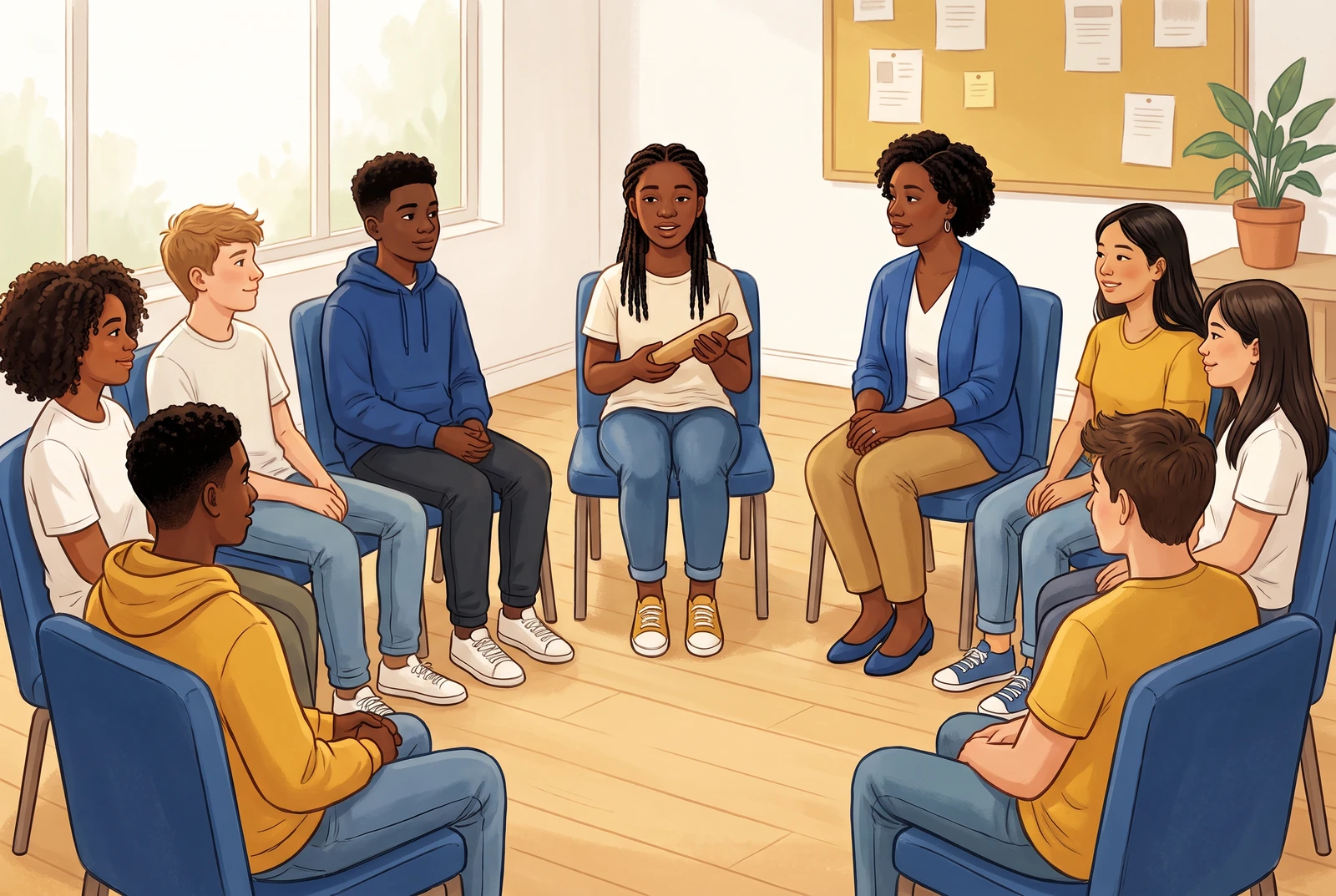
Schools & homeschools · Community organizations · Juvenile-serving settings · CALM Soul Studio
THE WHY BEHIND THE WORK
A young person can be present and still wonder whether their voice matters. We make space for that voice.
Young people are more than a behavior, a label, or a difficult day. They bring culture, creativity, questions, strengths, and stories that deserve care.
Our sessions offer opportunities to move, reflect, connect, and practice being in community—without pressure to perform or share more than feels comfortable.
See what that can look likeOne Social-Emotional Learning foundation
Social-Emotional Learning (SEL) is the umbrella for all our youth services. Yoga, mindfulness, CALM, CPR, empathy practice, and reflection are connected ways to build and rehearse SEL skills—not unrelated programs. We welcome different bodies, energy levels, and ways of participating.
A body-based way to practice SEL: accessible movement, comfortable breathing, and awareness, with choices to adapt, observe, or rest.
45 minutes · starting format
Focused SEL skill-building in emotional awareness, empathy, listening, and everyday choices. Journaling and DBT-informed educational skills support the learning—not clinical therapy.
45–90 minutes · by proposal
An applied SEL practice for noticing, choosing, and responding respectfully. Community Play, movement, and fictional scenarios give youth ways to rehearse a named empathy skill.
60 minutes · starting format · 45-minute sample available

Inside a session
Sessions are 45–90 minutes by proposal, with a maximum of 10 youth. These samples illustrate a possible flow—not a fixed script.
Youth may pass, adapt, observe, or rest at any time, and may keep their eyes open. No hands-on adjustments or forced personal disclosure.
Every Practice phase includes a named empathy skill. For example: listen and reflect back—hear a fictional speaker, restate one idea without advice, and ask whether you understood. Observing or a silent fictional response is also a choice.
Sample agenda
Total · 45 minutes
A body-based SEL sequence for arriving, moving, pausing, and reflecting together, with an explicit empathy practice.
Arrival, participation choices, and an optional check-in.
A fictional prompt, a chosen observation, quiet thinking, or pass.
Accessible movement, comfortable breath or external awareness, and a named empathy skill. Adapt, observe, rest, or pass.
Named empathy skill: Pause and Make Attention Available
Use a fictional example. Write, draw, think, observe, or pass; no personal disclosure or partner sharing is required. Practice is included within this phase, not added time.
Notice, rest, journal or draw, and carry forward an optional next step.
Illustrative sample only; timing and activities are adapted with your community, setting, and needs in mind.
Sample agenda
Total · 45 minutes
An applied SEL practice: Center Yourself, Practice Your Power, Respond with Respect. Welcoming, Share, Practice, and Reflection organize the session; those are not the acronym’s meaning.
Arrival and participation choices, including observing or passing.
Fictional or chosen examples, without pressure to disclose personal experiences.
Rehearse Center Yourself, Practice Your Power, Respond with Respect through Hear–Reflect–Check and a fictional scene.
Named empathy skill: Listen and Reflect Back
Use a fictional example. Write, draw, think, observe, or pass; no personal disclosure or partner sharing is required. Practice is included within this phase, not added time.
Reflect, draw, think, or pass; consider one respectful next step.
Illustrative sample only; timing and activities are adapted with your community, setting, and needs in mind.
THE UMBRELLA FOR ALL OUR WORK
SEL is the foundation. CALM is our teaching approach within SEL, and CPR is an applied SEL practice. Yoga, breathwork, mindfulness, movement, meditation, listening, empathy, journaling, and DBT-informed educational skills all support the same learning—not separate, competing programs.
Youth sessions build opportunities to rehearse these skills. Staff professional learning and curriculum collaboration help the adults carry SEL into their settings. This is education, not clinical therapy.
CALM • OUR SEL TEACHING APPROACH
Within SEL, Danielle’s CALM approach makes room for the body, available choices, and relationships. Every Practice phase includes a named empathy skill—not simply a conversation about being kind.
Ordinary, comfortable breathing—or an external awareness option—to arrive without pressure.
Accessible, facilitator-led movement, with seated, supported, observing, and rest choices.
Named listening and empathy skills, practiced through fictional examples and respectful connection.
Optional awareness, movement, and reflection, with eyes-open and non-movement alternatives.
CPR • AN APPLIED SEL PRACTICE
Center Yourself, Practice Your Power, Respond with Respect
Physical strength, emotional power, and relational respect guide the learning; they are not promises of measured physical or clinical outcomes. CPR is not first-aid training.
Our SEL session flow: Welcoming → Share → Practice → Reflection. Those are the session parts, not the meaning of CPR. Youth may adapt, observe, rest, or pass.
Explore the CALM Empathy Skills Vault within SELNOT A ONE-SIZE-FITS-ALL PROGRAM
You know your young people and your team. We bring facilitation, educational experience, and practices we can shape together.
Culturally responsive teaching and learning that make room for who young people are—not just how they behave.
Observe, adapt, keep eyes open, take a pause, or pass. No one is asked to share personal experiences to belong.
Youth sessions have a maximum of 10 participants, with age- and setting-aware activities and room for individual voices.
Staff learning and coaching sit alongside youth services, because relationships matter on both sides.
ADULT PROFESSIONAL LEARNING • ROOTED IN SEL
Young people need adults who are willing to keep learning, too. These experiences offer space to reflect, rehearse practical skills, and bring greater awareness to relationships, communication, and leadership—all within our Social-Emotional Learning foundation.
School teachers, school support staff, parents and caregivers, juvenile detention center staff and workers, principals, school leaders, and community youth-serving teams.
Anyone caring for or serving youth is welcome to attend. You do not need a particular job title to belong in this learning.
Practice for yourself. Consider what young people need from you. Carry the learning into your classroom, home, team, or youth-serving setting.
One-day PD: The Whole Model and Lead from Within each include a one-hour lunch within the day.
The CALM Classroom: Choose a practice-focused half day or a full day that adds theory, research, and the why. The full day includes a one-hour lunch.
90-minute introductory PD: A shorter introduction for adults and teams before considering a full-day experience.
Adult classes and PD groups have a maximum of 10 participants. Dates, start/end times, and logistics are confirmed in your proposal. Ongoing coaching is discussed separately.
Relationships · Communication · Leadership
One-day PD (includes 1-hour lunch)
A relationship, communication, and leadership training for the adults who shape young people’s daily lives. The WHOLE Model offers a practical sequence for approaching conversations, listening for needs, exchanging perspectives, and turning reflection into action.
Who it’s for: For teachers, support staff, parents, caregivers, juvenile detention center staff, principals, school leaders, and anyone who wants to lead and communicate with greater care.
Adult self-practice · Practical skills with students
Half-day or full-day PD
Learn practical CALM skills to use for yourself and to practice with students and youth. Start with your own awareness, movement, and listening, then explore accessible ways to bring the same skills into classrooms, homes, and juvenile-serving settings.
Who it’s for: For educators, school support staff, parents, caregivers, and juvenile detention center teams—not only people working in a traditional classroom.
Practice is choice-based: seated, supported, eyes-open, observing, rest, and pass options remain available. Listening with Empathy includes named skills to rehearse—not pressure to share a personal story.

SEL self-awareness · Leadership · The TRUST model
One-day PD (includes 1-hour lunch)
Adult professional learning that combines SEL self-awareness and leadership using Danielle’s TRUST model. Reflect on how your feelings, values, strengths, and habitual responses shape the way you lead, then consider intentional choices in your relationships and responsibilities.
Who it’s for: For principals, school leaders, teachers, youth-serving professionals, parents, caregivers, and anyone leading or caring for others at work, at home, or in community.
The TRUST model connects this adult SEL self-awareness and leadership learning. The focus is on how you show up, what you notice about yourself, and the choices you make as a leader.
The same session types we offer students—Yoga & Mindfulness, SEL & Support, and CPR—are available to adult staff, with different, adult-specific content, examples, reflection, and rehearsal. These practice sessions are distinct from our PD trainings.
Every Practice phase includes a named empathy skill, using fictional examples relevant to adult life and youth-serving work. Participation remains choice-based.

Practice Center Yourself, Practice Your Power, Respond with Respect through awareness, available choices, empathy, and respectful boundaries. An adult SEL practice session—not first-aid training.
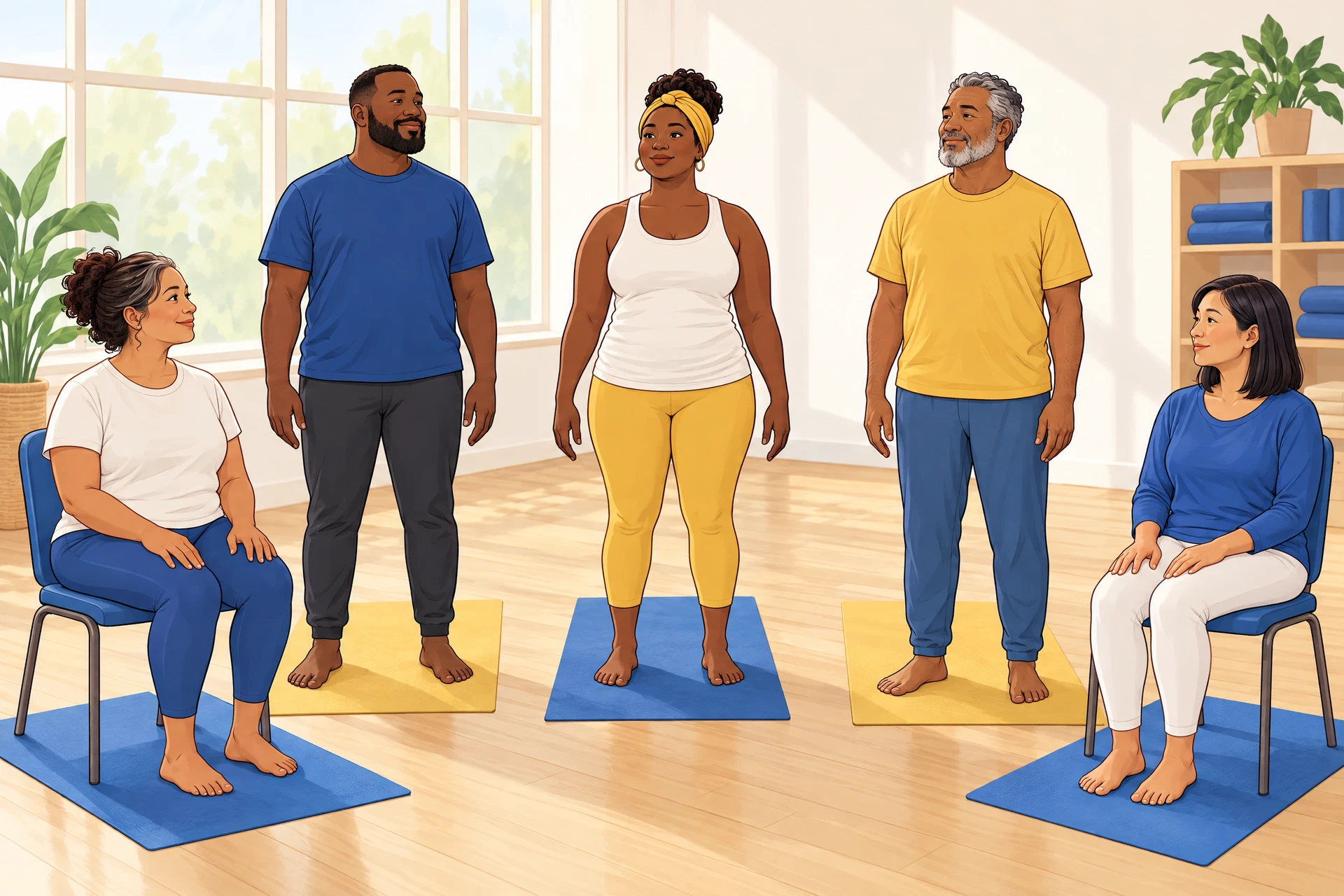
Accessible yoga, comfortable breathwork or external awareness, movement, and mindfulness for adults. Seated, supported, eyes-open, observing, and rest choices remain available.

Educational SEL skill-building with adult-specific content: self-awareness, emotions, everyday choices, listening, and empathy in adult life and youth-serving work. Practice with fictional adult scenarios and optional reflection—not clinical therapy.
The Whole Model and Lead from Within are one-day PD sessions. The CALM Classroom is available as half-day or full-day PD. Full-day PD includes a one-hour lunch. Content, learning goals, dates, delivery, and logistics are agreed with your team in the proposal.
CURRICULUM COLLABORATION
We write and customize SEL curriculum with schools and organizations, connecting CALM, CPR, empathy practice, movement, and reflection to the five SEL competencies. Bring an idea, an existing resource, or a challenge—and let’s shape the learning together.
Scope, deliverables, timeline, and usage rights are agreed in your proposal.
SEL • CALM • LISTENING WITH EMPATHY
Within Social-Emotional Learning, this vault supports CALM’s Listening with Empathy: named skills, short original practices, fictional examples, reflection prompts, and research connections for youth and staff. Every Practice phase selects at least one skill to rehearse.
Each skill is research-informed by the sources reproduced with it. Its research connection states only what the cited design, population, and measure support. These sources do not validate the original micropractices, the full CALM or CPR framework, a worksheet, or outcomes across all youth, cultural, school, or detention settings. Adult and indirect findings are not direct proof for youth contexts.
12 of 12 empathy skills shown
Pause before replying, reduce distractions where you can, and offer a limited, respectful chance to listen. The other person can choose listening, help, space, or no conversation.
3–5 minutes · Adapt within the agreed session time.
Fictional example: In a fictional after-school room, Jordan says, “People kept talking over me today.” Rei is packing up and wants to say, “That happens.” Rei pauses, puts the phone away, and says, “I can listen for a minute. Would listening, help, or space fit best?” Jordan may answer, decline, or leave.
I’m pausing so I can give this a little attention. I can listen for a minute; would you rather I listen, help think, or give you space?
Reflect: Think, draw, or write about the fictional scene: What could Rei notice before replying? Draft one sentence that makes attention available and one sentence that respectfully names a limit. You may pass.
Practice with the fictional story by speaking, writing a response card, drawing the three steps, silently rehearsing, observing, or passing. No one has to share, pair up, make eye contact, or discuss personal experiences. Use this when it is safe and wanted. You may keep distance, decline, leave, seek trusted support, or say, “I can’t talk now.” Do not pressure disclosure, touch, eye contact, forgiveness, agreement, or an apology. Attention never means accepting harm; power, racism, injustice, and limited choices matter.
In a preregistered video-vignette experiment, 1,001 UK adolescents aged 13–16 anticipated greater well-being and future self-disclosure after viewing good rather than moderate parental listening (Weinstein et al., 2021). The videos varied listener attention and positive intention in parent–adolescent disclosure scenes. In a separate initial-interaction experiment with 115 U.S. undergraduates, active-listening responses (paraphrase and sometimes an invitation to elaborate) produced greater perceived understanding than advice or simple acknowledgements (Weger et al., 2014). These are related listening findings, not proof that this original practice works or that results generalize to all youth or detention contexts.
Vignette and young-adult studies support related listening processes; they do not validate this practice or establish outcomes across youth, cultures, or detention settings.
Practice turning quick stories about people into camera-and-microphone descriptions before asking a respectful question or choosing a boundary.
3–5 minutes · Adapt within the agreed session time.
Fictional example: In a group project, Jordan arrives ten minutes after the agreed start, puts their backpack down hard, and says, “Just start without me.” Sam thinks, “Jordan is lazy and rude.” Jordan’s bus route was delayed, but Sam does not know that.
“I noticed Jordan arrived after the agreed start, put their backpack down hard, and said, ‘Just start without me.’ I do not know why yet. If it feels okay to ask, what happened?”
Reflect: Where do I most quickly turn one action into a label? Write or draw one camera-style description and one question you could ask. You may use a fictional person or pass.
Write, draw two columns, think privately, observe a fictional character, work alone, share a made-up answer, or pass. Use only fictional or low-stakes scenes. No one must disclose, partner, make eye contact, close their eyes, agree, forgive, or make contact. Observable description does not erase harm; use boundaries and seek support when something feels unsafe.
Epinat-Duclos et al. randomly assigned 312 third-year French medical students to 2.5 days of nonviolent communication training or a non-NVC control. The curriculum practiced distinguishing observation from interpretation. At three months, the intervention group increased on a custom five-item self-report Jefferson empathy subset; Empathy Quotient and implicit empathy-related tests did not change. This adult, multi-part professional-training finding is a research-informed foundation, not evidence that this original youth activity improves empathy.
One adult medical-student study tested a multi-part training; no direct evidence validates this original youth micropractice.
Curious open questions make room to learn instead of guess. Ask what, how, or which, use a detail you heard for one follow-up, and accept a pass.
3–5 minutes · Adapt within the agreed session time.
Fictional example: Sam arrives late to a group project and says, “I had a lot going on.” Two classmates want to know what happened before deciding how to divide the work. Sam has not said they want advice or to explain everything.
What part of today do you want us to understand? If you would rather not explain, we can focus on the project.
Reflect: In Sam’s situation, what is one question that could invite sharing without asking for private details? What could you do if Sam does not want to answer?
Write, draw a speech bubble, think silently, observe the fictional scene, or pass. Work alone or with a willing partner; no eye contact or personal disclosure is required. Ask about what someone chooses to share; do not press for reasons, trauma, identity, or private information. Accept “I don’t want to talk” or no answer. Curiosity is not agreement, permission to cross boundaries, or a reason to delay safety support.
Research-informed foundation: In adult stranger conversations, asking more questions—especially follow-ups tied to what a partner said—was associated with greater liking and perceived responsiveness: listening, understanding, validation, and care (Huang et al., 2017). A psychotherapy review found mixed immediate effects: open questions can support emotional expressiveness and exploration, but questions can also relate to poorer perceptions of therapist empathy. These adult findings do not test this youth practice or prove empathy increases.
Adult conversation and psychotherapy evidence informs question use; neither source tests this youth practice or shows it builds empathy.
Listen for a person’s main point, reflect it back in your own respectful words, and check your understanding. This skill is about attention and curiosity, not agreement, advice, or guessing someone’s private story.
3–5 minutes · Adapt within the agreed session time.
Fictional example: In a fictional group project, Jordan says, “I did my part, but people keep acting like I did nothing. Now I don’t even want to speak up.” A classmate wants to respond without fixing the problem or taking sides.
“It sounds like you feel overlooked after putting in effort, and speaking up now feels hard. Did I get that right?”
Reflect: What words helped the reflection stay close to what the fictional speaker actually said? What might you ask or change if they said, “Not exactly”?
Practice aloud with the fictional scenario, write or draw a reflection, think of one silently, observe a modeled example, or pass. No personal story, eye contact, or partner sharing is required. Reflecting back is not agreeing, diagnosing, forgiving, taking responsibility for harm, or promising secrecy. Use tentative words; do not guess private history. Anyone may use a fictional example, request space, choose another role, or pass. If safety or harm is raised, follow the setting’s adult-support and reporting expectations.
In a lab experiment with 115 college students, active listening that included paraphrasing and, when appropriate, an elaboration question produced greater immediate perceived understanding than advice or simple acknowledgements. In a separate peer-interview experiment with 180 undergraduates, a paraphrase alone was associated with listener social attractiveness but not participants’ felt understanding or conversation satisfaction. These adult, brief laboratory findings inform the skill’s focus; they do not test this practice with youth or in detention settings.
Two brief adult college experiments; no direct evidence for this original practice, adolescents, schools, or detention settings.
Offer a possible feeling without pretending to know someone’s inner world. Use “I wonder if…” or “It seems like…,” then leave room for correction, more information, silence, or a pass.
3–5 minutes · Adapt within the agreed session time.
Fictional example: Jordan’s poster for the community showcase is removed because the hallway is being repainted. Jordan crumples the event flyer, says “Whatever,” and walks to another table while others plan the display.
“Jordan, I wonder if you might be disappointed or frustrated that your poster was removed. I could be off. Do you want to say more, correct me, or leave it there?”
Reflect: In the fictional scene, what words made the feeling guess sound open rather than certain? Write or draw another respectful possibility.
Practice with the fictional scene; write, draw, say, point to a feeling word, observe silently, or pass. No personal sharing, eye contact, or partner work is required. A feeling guess is not a fact. Do not press for an answer, diagnose, label motives, or use it to excuse harm. Respect “no,” pause if safety is involved, and get adult or support help when needed.
Direct but limited evidence comes from a randomized laboratory paradigm with 74 romantic couples: partner-chosen emotion labels during aversive-picture viewing reduced targets’ reported distress compared with self-labeling, and the effect increased with regulators’ empathy. This measured interpersonal affect labeling, not youth learning or this practice. In a separate experiment, 115 undergraduate participants felt more understood after active-listening responses than after advice or simple acknowledgments. That supports related empathic communication, not tentative wording specifically.
Evidence comes from romantic couples and undergraduates, not adolescents, detention settings, classrooms, or exact tentative-language practice trials.
Perspective getting means pausing before a guess and inviting the other person’s own view with an optional, respectful question. The goal is not agreement or personal disclosure; “not now” is always an acceptable answer.
3–5 minutes · Adapt within the agreed session time.
Fictional example: At lunch, Imani sees Jo leave the group chat after a joke about their shoes. Imani thinks, “Jo is mad at everyone.” Before repeating that guess, Imani could ask Jo privately whether they want to say what was going on.
I noticed you left the chat. I might be reading it wrong. Would you want to tell me what was going on, or would you rather not talk about it?
Reflect: Write, draw, or think: What is one conclusion people sometimes jump to in a fictional conflict? What respectful question could open space for the person’s own view? When might it be better not to ask?
Practice on the fictional scenario, write a question instead of saying it, observe and notice guessing words, or pass. No personal story, eye contact, or partner disclosure is required. Do not press for explanations, ask in unsafe situations, or use questions to debate someone’s experience. “No,” “not now,” and silence are complete responses. Asking does not require agreement, forgiveness, or accepting harm; create distance or seek support when needed.
Direct perspective-getting evidence: in Eyal, Steffel, and Epley’s adult experiments, conversing to obtain a partner’s views increased prediction accuracy compared with simply trying to take that partner’s perspective. This supports asking as information-gathering, not a claim about empathy or youth. Related youth communication evidence: in McLaren and Sillars’s 98 parent–adolescent conversations, supportive listening was associated with children’s greater empathic accuracy; the observational study did not test this micropractice.
Evidence includes adult experiments and one observational parent–adolescent study; it does not validate this practice or predict outcomes in other youth settings.
Validation acknowledges that another person’s feelings make sense from their view. You can do that while disagreeing, setting a limit, or stepping away. Try: name the feeling, name what happened, then state your respectful boundary.
3–5 minutes · Adapt within the agreed session time.
Fictional example: At lunch, Nia says she is angry because Jordan reposted a private joke. Jordan thinks the post was harmless and does not want to argue. Jordan can acknowledge Nia’s embarrassment while still seeing the intent differently.
“I hear that you felt embarrassed when it was reposted. I see the intent differently, and I will not debate your feeling. I need us to talk without insults.”
Reflect: Think, write, or draw: What words can acknowledge a feeling without agreeing with every conclusion or giving up a boundary?
Practice silently, write or draw one line, use only the fictional scenario, observe a demonstration, or pass. No personal story, partner work, or eye contact is required. Validate the person’s experience, not harm or misinformation. You may set limits, disagree, pause, seek support, or choose safety. When power, racism, or other injustice affects choices, do not explain away or debate the person’s experience. Do not pressure anyone to disclose, forgive, reconcile, or continue a conversation.
Two direct validation studies inform the distinction. In a randomized laboratory experiment with 60 adult undergraduates, invalidating rather than validating responses during a stress task were associated with higher negative affect, heart rate, and skin conductance. An observational longitudinal study of 38 high-risk adolescents and parents found parent validation/invalidation associated with later self-harm; it did not establish cause or test peer or school practice. These studies support validation as an interpersonal process, not proof that this original activity changes youth outcomes.
Evidence is adult-lab and high-risk family research; it does not test this practice in general youth, school, or detention settings.
Before reacting to a message, name your understanding as a guess and invite a correction. Listening to that correction respects the speaker’s meaning without requiring agreement, disclosure, or loss of boundaries.
3–5 minutes · Adapt within the agreed session time.
Fictional example: During a group project, Jordan says, “I’m not doing the slides tonight.” Sam assumes Jordan does not care and starts to reply. Jordan actually has a late shift and can work on the slides tomorrow.
“I might be hearing that you do not want to help tonight. Did I get that right?” “Not exactly. I am working late; I can do slides tomorrow.” “Thanks for correcting me. You can help tomorrow, not tonight.”
Reflect: Journal, draw, or think: What is one time a fictional character, or a situation you choose, might say, “That’s not what I meant”? Write a respectful check-in that leaves room for their correction.
Practice aloud with a fictional figure, write or draw the three lines, think through them silently, watch a demonstration, or pass. No partner work or personal sharing is required. Use a made-up scenario or pass. A correction is information, not an argument; do not press someone to explain private details, agree, forgive, or continue a conversation that feels unsafe. You can pause, set a boundary, seek support, or name unequal power or unfair treatment.
These brief experiments tested communication responses related to, rather than direct measures of, empathy. In 115 undergraduates, active-listening responses—paraphrasing plus, when appropriate, elaboration questions—produced higher immediate self-reported feeling understood than advice or simple acknowledgements. In 180 undergraduates, paraphrasing alone did not improve reported feeling understood. This adult/college evidence does not test youth, detention contexts, or this original practice.
Evidence comes from brief experiments with undergraduates; it does not establish effects for adolescents, classrooms, detention settings, or this original practice.
A disagreement can be respectful when you name your view or limit without attacking someone, and also honor their choice to pause, say no, or seek support.
3–5 minutes · Adapt within the agreed session time.
Fictional example: During a group project, Kai wants everyone to keep joking about another student’s drawing. Rowan disagrees and does not want to join. Rowan may speak, write a response card, ask a trusted adult for support, or simply step away.
I hear your point. I see it differently, and I’m not okay with jokes about someone’s work. Please stop. If you want space, I’ll give it to you; we can get support.
Reflect: Journal, draw, or think: In the fictional scenario, what words could Rowan use to disagree without putting Kai down? What could Rowan do if speaking feels unsafe or does not change the situation?
Use the fictional scenario only. Youth may say a line aloud, write it, draw a response card, watch as an observer, choose an external focus, or pass. No personal examples, partner work, eye contact, or disclosure are needed. Use fictional material; do not ask anyone to reveal a conflict. A boundary can be brief and can include leaving, seeking staff support, or reporting harm. Young people do not owe someone a debate, explanation, forgiveness, or continued contact. If immediate safety or a power difference is involved, use the setting’s support and reporting options rather than practice confrontation.
In a cross-sectional Dutch study of 307 adolescents ages 13–16, dispositional affective empathy was associated with more self-reported positive problem solving and less conflict engagement with same-sex best friends; it did not test boundary setting or a lesson. In two U.S. parent–adolescent laboratory-discussion studies, observed open communication was associated with smaller differences between parent and adolescent conflict reports. That related communication finding is not a direct empathy result and does not establish causation. Together they inform, but do not validate, this original fictional micropractice.
Correlational adolescent studies link empathy or open communication with conflict processes; neither tests this practice, youth detention settings, safety outcomes, or boundary-setting effects.
Invite Voices and Share Turns is an optional discussion habit: speak briefly, leave a pause, and make room for a new viewpoint, a written response, or a pass. It never requires agreement or personal disclosure.
3–5 minutes · Adapt within the agreed session time.
Fictional example: A youth group is choosing a mural theme. Three people have already named bold ideas. Jay quietly sketches a river and says, “I’m not sure it fits.” The group has two minutes before deciding what to propose.
I have an idea, and I can keep it brief. I’d also like to leave space for someone who has not spoken. Passing is okay. What feels important to add—or would anyone rather write it down?
Reflect: Think, write, or draw: In the mural conversation, which voice might be easiest to miss? What could make sharing safer or easier without requiring anyone to speak?
Speak once, point to a prepared card, write a sentence, observe the turn pattern, or pass. No eye contact, partner work, or personal story is required. Participation is optional. Do not press anyone to share, explain silence, make eye contact, agree, or disclose experiences. A turn may be a pass. Keep the fictional topic; honor safety, power differences, racism/injustice, and boundaries.
Andolina and Conklin’s case study directly reports high-school participants’ perceived listening and empathy gains after a multi-part civic curriculum, not a turn-sharing test. Malti et al.’s review/meta-analysis of 19 school programs and 36 evaluations reports a small average social-emotional competency effect (d=0.27); evaluated participants were approximately ages 4–11. That review concerns broader empathy-related programs. Together, these are research-informed background, not evidence that this original practice changes empathy, participation, or outcomes in detention settings.
Evidence supports broader curricula, not this original practice; neither source establishes effects for equitable turn-sharing or in youth detention settings.
Offer help as an invitation, not an assumption. Ask what kind of support, if any, a fictional person wants; then respect yes, no, not now, or a different request.
3–5 minutes · Adapt within the agreed session time.
Fictional example: Rae notices Jordan staring at an unfinished poster before a group showcase. Rae wants to step in, but does not know whether Jordan wants ideas, quiet, or another kind of support.
“I noticed the poster seems unfinished. Would you like help, company, or space? ‘No’ is okay.”
Reflect: Journal or draw: What words could you use to offer help without deciding for someone else? How might you show respect if they say no, not now, or ask for something different?
Write, draw, think privately, watch a facilitator model it, or pass. Practice only with the fictional scenario; no personal sharing or partner role-play is required. Do not pressure anyone to accept help, explain a refusal, disclose personal experiences, or work with a partner. A “no,” “not now,” silence, or different request is respected. For immediate safety concerns, follow the setting’s safeguarding procedure rather than asking youth to handle it alone.
Ishikawa et al. studied young people’s help-seeking intentions, not peer offers of help. Gray et al. showed that adults can experience intended workplace support as unhelpful and reported associated strains. Together, they support treating offers as invitations rather than assumptions. They do not test this youth practice, prove empathy outcomes, or establish effects in schools or justice settings.
No study tested this exact youth practice; evidence concerns help-seeking intentions in youth and unhelpful workplace support among adults.
This skill helps learners name a possible impact and offer a safe, specific repair while honoring boundaries, choice, and the other person’s right to decline.
3–5 minutes · Adapt within the agreed session time.
Fictional example: During a group poster project, Jordan laughs and says Sam’s drawing is “useless.” Sam goes quiet and stops contributing. Later Jordan notices the comment may have affected Sam and wants to address it without pressuring Sam to forgive or work together.
“I said your drawing was useless. I can see that may have shut you down. I’m sorry for the comment. Would it help if I removed it, listened, or gave you space? You do not have to answer now.”
Reflect: In Jordan’s situation, what is one impact Jordan can name without deciding how Sam feels? What repair choice could Jordan offer, and how would they respect a “no,” “not now,” or no response?
Work only with the fictional story, a made-up comic, or a private low-stakes example; write, draw, rehearse silently, or pass. No personal disclosure, partner work, eye contact, or direct contact is required. Use only safe, low-stakes situations; do not contact someone who feels unsafe or holds power over you. Repair does not require forgiveness, renewed access, a private meeting, or sharing personal details. Seek trusted adult or support guidance for serious harm, threats, discrimination, or legal or school processes.
Research-informed foundation: Fehr, Gelfand, and Nag’s meta-analysis of 175 interpersonal-forgiveness studies (26,006 participants) found apology associated with victims’ forgiveness (r = .42); this does not mean anyone owes forgiveness or that repair will be accepted. Lodi and colleagues’ school review (34 studies, ages 6–18) identifies restorative conversations and conferences as studied practices but reports limited direct evidence. These sources inform a choice-based repair process; they do not test this original micropractice or prove outcomes for individual learners.
Evidence links apologies and school restorative practices to related processes; it does not validate this micropractice, compel forgiveness, or establish outcomes in all youth settings.
Blank, printable PDFs—not forms for sending personal information. Journal pages are optional and are not collected by default.
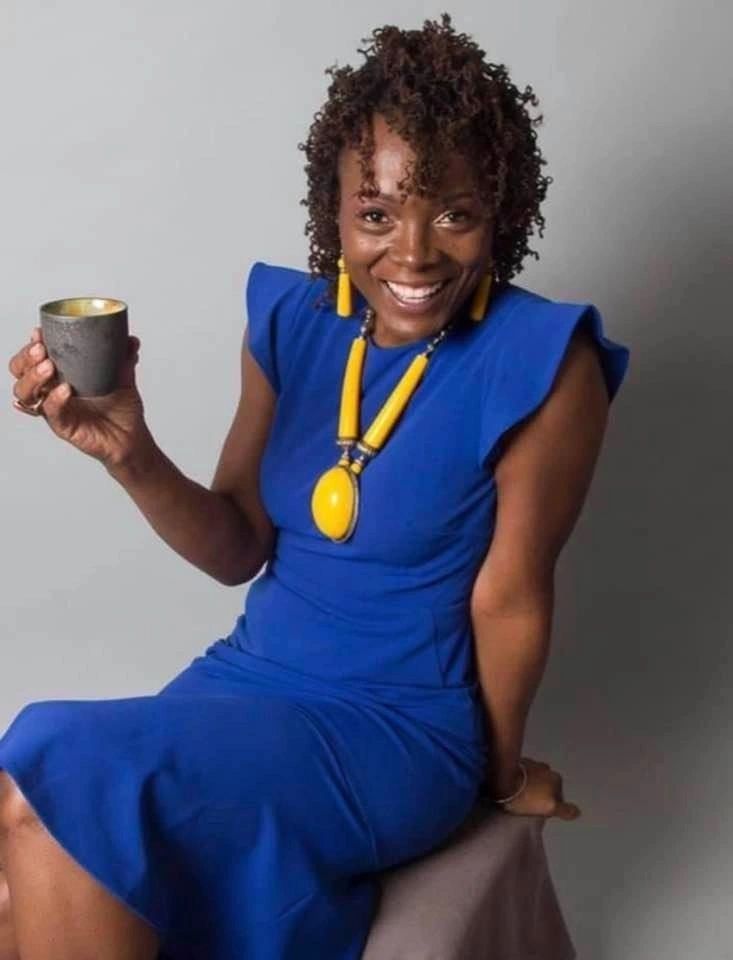
MEET OUR FOUNDER & FACILITATOR
Founder · Educator · Facilitator · Author
Danielle brings 20 years of experience in education, with a career spanning the elementary classroom, school counseling, school leadership, and educator coaching. That perspective shapes her work with young people and the adults who care for and serve them.
Taught elementary school for 13 years.
Served for one year as a certified middle school counselor.
Moved into elementary school leadership as a principal.
Founded Wholistic Education and worked as a field supervisor, observing and coaching new educators.
Now contracts with schools to support systemwide coaching, culture, and climate through the implementation and expansion of social-emotional and academic learning.
Danielle also maintains a separate private practice offering group and one-to-one coaching, bringing together yoga, mindfulness, and Social-Emotional Learning as therapeutic support. Private-practice services and scope are discussed separately from school and youth-facility programming.
School and youth-facility programming is secular and consent-based. Danielle’s metaphysical practitioner qualification is separate from these educational offerings; the qualifications listed here do not assert a clinical license or licensed clinical psychotherapy.
Care is a team practice. We’ll discuss the facilitator fit for your group and confirm relevant requirements before services begin.
EDUCATOR. FACILITATOR. AUTHOR.
Danielle’s writing creates another invitation to reflect on identity, possibility, and the stories we carry.

A Love Letter to Who You Are
Letters, poems, and affirmations reminding young Black girls that they are already enough.

My Adventures in Budapest
A personal travel story from Danielle Nicole Johnson, sharing her adventures in Budapest.
WHERE WE COME TOGETHER
We discuss each group’s goals, ages, accessibility needs, and setting before shaping a session.
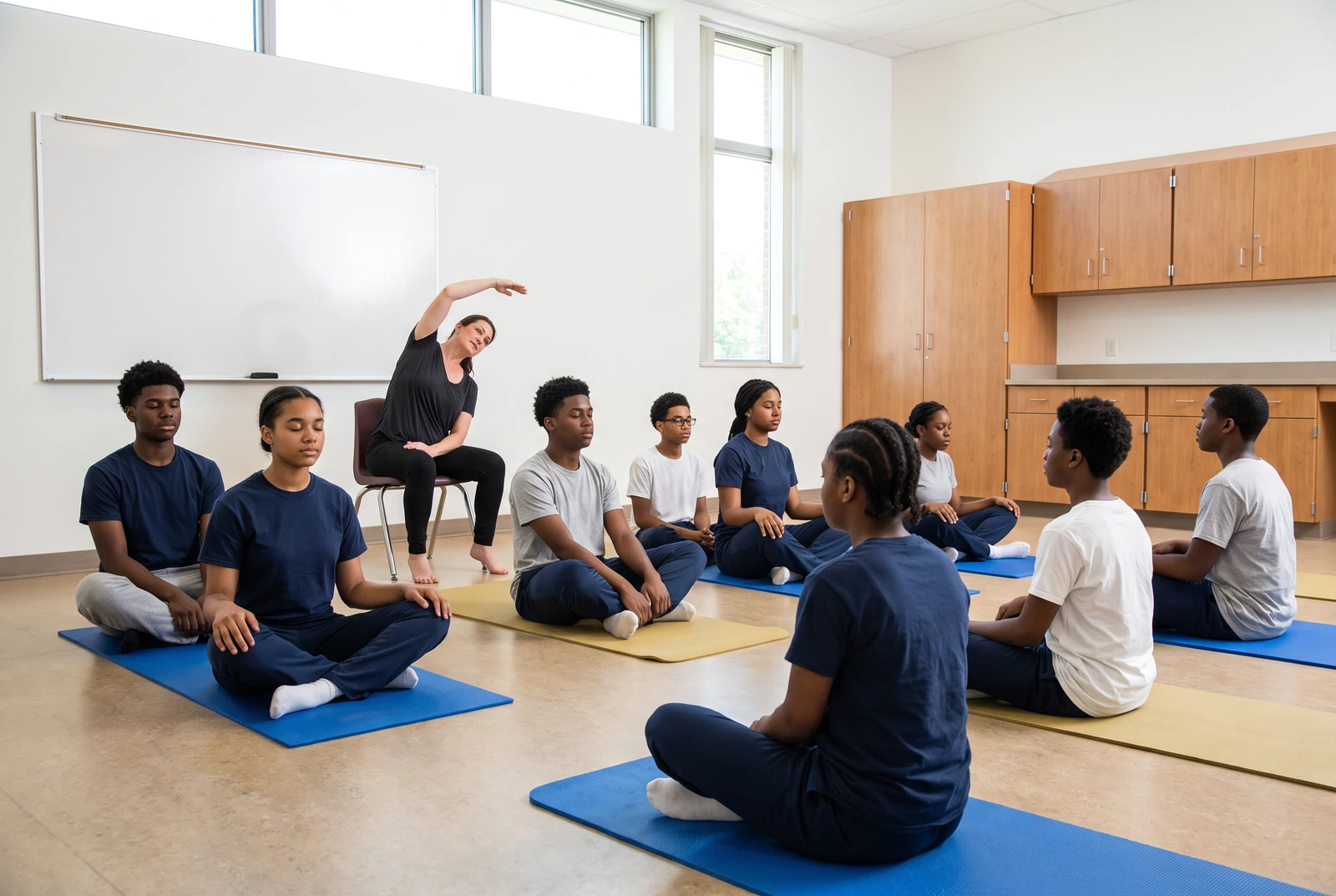
A SIMPLE PLACE TO BEGIN
Share your setting, who you support, and what you hope to make space for.
We discuss the service, timing, adaptations, and practical requirements together.
Confirm the scope, facilitator, pricing, and logistics before scheduling.
A SEPARATE SPACE FOR ADULT PERSONAL GROWTH
You don’t have to wait until you’re overwhelmed to make time for yourself.
Join my monthly group coaching membership for space to reflect, connect, and identify practical next steps—with encouragement along the way.
Fourth Sunday · 6–7:30 p.m. Central Time
One live, 90-minute gathering each month on Zoom
Coaching and personal growth, rather than therapy.
Questions, answered
Social-Emotional Learning (SEL) is the umbrella. CALM is our teaching approach within SEL. CPR is an applied SEL practice: Center Yourself, Practice Your Power, Respond with Respect. Yoga, breathwork, mindfulness, movement, meditation, empathy, journaling, and DBT-informed educational skills all support that same SEL foundation. Staff learning and curriculum collaboration help adults carry it into their settings. This is education, not clinical therapy.
Youth sessions are 45–90 minutes. Adult Yoga & Mindfulness is 60 minutes; adult CPR and introductory PD are 90 minutes. Adult SEL & Support is shaped by proposal. The Whole Model and Lead from Within are one-day PD. The CALM Classroom offers a half day focused on the how—practice, action, and experiential learning—or a full day including theory, research, and deeper exploration of the why. Full-day PD includes a one-hour lunch. Start/end times and logistics are confirmed in your proposal.
Yes. Yoga & Mindfulness, SEL & Support, and CPR are offered to adult staff with adult-specific content, examples, reflection, and practice—not simply the youth sessions delivered unchanged. These sessions are educational and distinct from PD training.
A 45-minute Yoga & Mindfulness session can begin with an arrival practice and accessible movement. CPR means Center Yourself, Practice Your Power, Respond with Respect. Our SEL session flow is Welcoming, Share, Practice, and Reflection. Every Practice phase rehearses a named empathy skill. The final flow is shaped with your setting in mind.
Youth experiences are planned for groups of up to 10. Please share the approximate group size so the proposal can be appropriately tailored.
Adult classes and PD groups have a maximum of 10 participants.
Programming can be considered for schools or homeschools, community organizations, juvenile-serving settings, and CALM Soul Studio.
Age range and accessibility considerations are discussed during planning so the experience can be considered thoughtfully; please share only general, non-identifying context.
Pricing is provided by custom proposal after the setting, format, and goals are understood.
Equipment needs, facility details, and any background-check requirements are confirmed before a visit is scheduled.
SEL offerings are educational and are not clinical therapy.
Yes. Staff training and curriculum writing or customization can be included in a custom proposal.
Start a conversation
Tell us about your setting and hopes for the experience. We will respond by email with a custom proposal—there is no fixed pricing or booking step here.
This form prepares an email draft only. It does not submit information to a server.
Prefer to write directly? Email wholisticeducation46@gmail.com.